GamStop Self-Exclusion Tools and UK Casino Account Access
 Available in GB
- The first useful step
- How GAMSTOP periods work
- A decision path for different situations
- Extra controls that can sit alongside GAMSTOP
- Support if gambling is causing harm
- Related guides
Main Features of UK GamStop Self-Exclusion Control Tools
When a person looks for a casino outside GAMSTOP, there may be several reasons behind the search. They may be curious about what the phrase means. They may be worried that a site is not covered by the self-exclusion scheme. They may also be tempted to gamble during an exclusion period. These situations should not be treated the same way. If you are not self-excluded and simply want to understand the term, start with the guide on what “not on GAMSTOP” means. If you are already self-excluded, the practical priority changes: keep the barrier in place and add support around it.
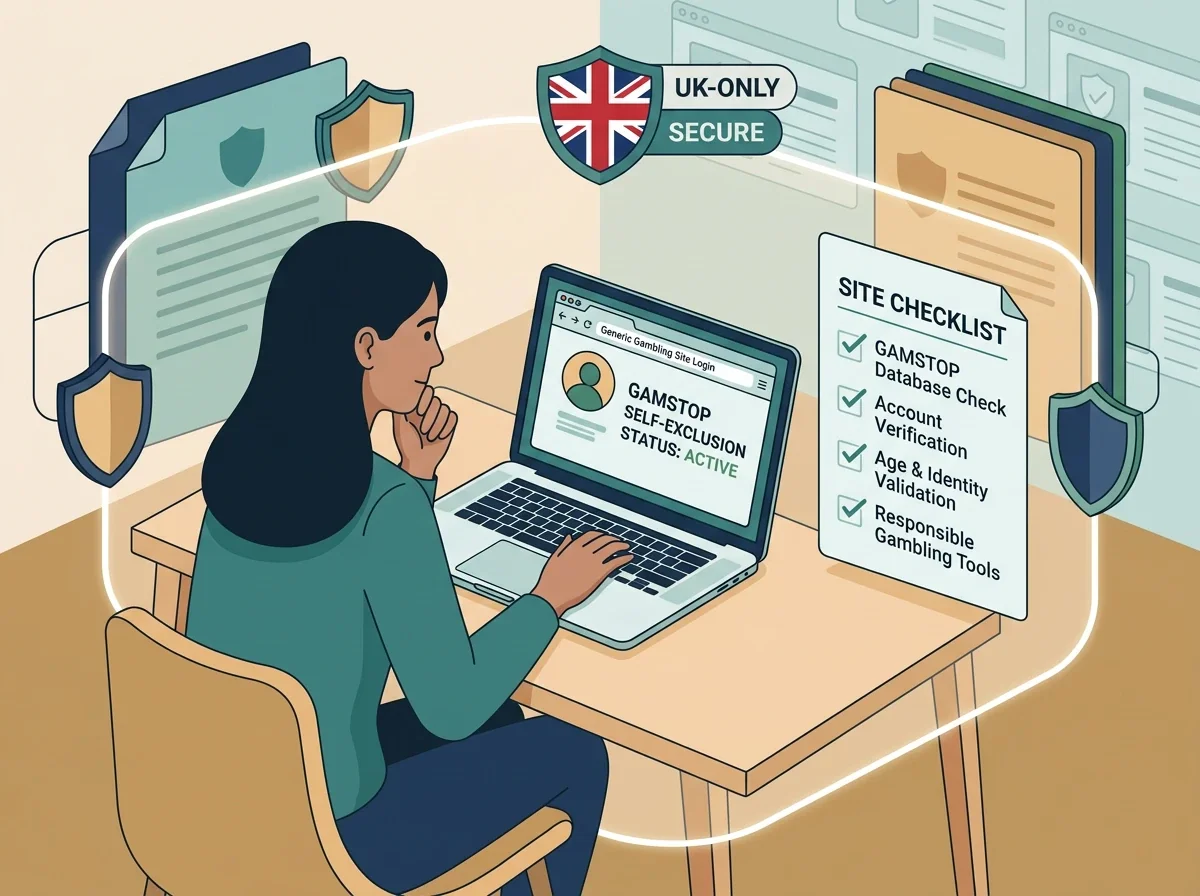
GAMSTOP is a self-exclusion service, not a comparison tool. People using it agree not to register new gambling accounts or log in to existing gambling accounts during their exclusion. That matters because an exclusion period is meant to create distance between the person and online gambling. Treating a non-participating site as an opportunity can undermine the purpose of the exclusion and can put money, documents and wellbeing at risk.
A useful pause can be very simple. Step away from the device, do not deposit, do not upload documents, and do not create another account. If the urge feels strong, move from a gambling decision to a support decision. That may mean using a helpline, telling someone trusted what is happening, checking whether your bank offers a gambling transaction block, or adding blocking software. None of those steps requires you to judge yourself. They are practical ways to make the risky action harder while the urge passes.
How GAMSTOP periods and removal work
GAMSTOP allows exclusion periods of six months, one year, five years, or five years with auto-renewal. Once a person is registered, the exclusion cannot be deactivated before the minimum period ends. After the minimum period, removal is not automatic; the person must follow the scheme’s removal process if they want the exclusion lifted. This is important because a person should not expect a quick cancellation in a difficult moment.
The waiting period is not a technical inconvenience. It is part of the protective design. If gambling has become hard to control, a cooling-off structure can stop a short-lived urge from turning into a deposit, a chase for losses or a fresh account. The safest wording for this topic is therefore direct: if you are within an active exclusion period, do not treat another site as a substitute. Use the controls and support that make gambling harder, not easier.
GAMSTOP has a defined scope. It covers online gambling companies licensed in Great Britain that participate in the scheme. It does not magically block every gambling service in the world, every payment route or every device. That is why layered protection is useful. One tool can reduce one kind of access; other tools can cover different points, such as card transactions, gambling websites, betting shops, spending pressure and emotional support.
A decision path for different situations
The safest route depends on what is happening right now. Use this as a practical decision path, not as a diagnosis.
- You are already registered with GAMSTOP. Do not open a new gambling account or try to use an old one. Check whether your GAMSTOP details are accurate, keep the exclusion in place, and consider extra controls such as bank gambling blocks and blocking software. If you are tempted to gamble, move straight to support rather than site checking.
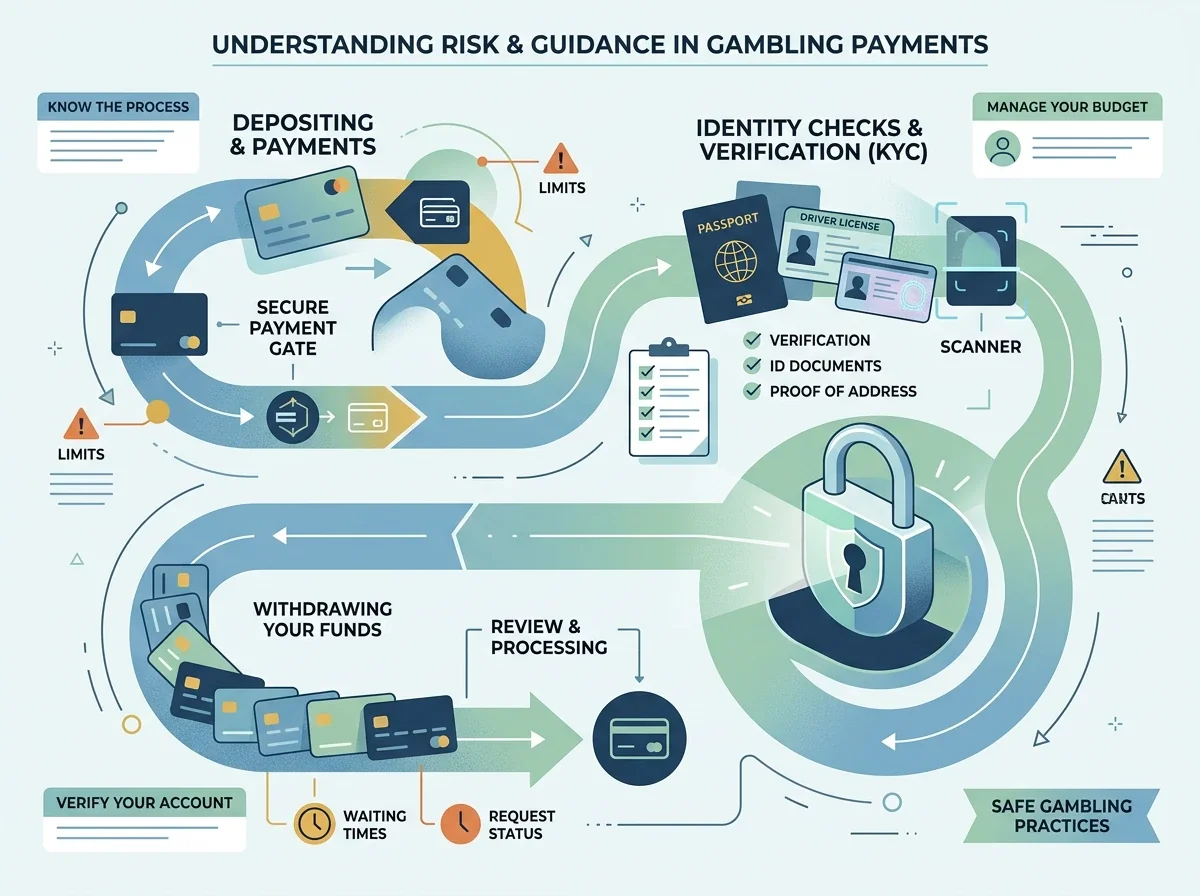
- You are tempted to deposit right now. Delay the action. Close the gambling site, avoid uploading identity documents, and remove the immediate payment route if you can do so safely. Contact a support service or a trusted person before you revisit the decision. The goal is to create time between the urge and the transaction.
- You are worried about spending. Ask your bank or building society whether it offers a gambling transaction block. Features differ between providers, so use your own bank’s official app, website or customer support. A block is not a complete cure, but it can remove one route to fast deposits.
- You are worried about devices or websites. Gambling-blocking software can add another barrier. It is most useful when it is set up before an urge, because it reduces the number of quick clicks available in the moment. It should sit alongside self-exclusion and bank controls, not replace them.
- You have gambling-related debt or pressure from bills. Treat the money problem and the gambling problem together. MoneyHelper covers gambling-related debt and the value of getting help with both spending behaviour and debt pressure. Do not use gambling as a way to deal with financial stress.
- You are helping someone else. Avoid arguments about willpower. Focus on practical barriers, calm support and clear boundaries. Encourage the person to use specialist help, and protect your own finances if you are being asked for money.
Extra controls that can sit alongside GAMSTOP
Self-exclusion is strongest when it is not the only line of defence. The Gambling Commission signposts bank gambling blocks as a practical control, and GAMSTOP also points people toward blocking tools and practical support. A bank block may stop or delay gambling-related card transactions, but the details depend on the bank, the account and the product. Some providers may offer a cooling-off period before a block can be removed. Because features differ, the safe step is to check your own bank’s official information rather than rely on a general promise.
Blocking software works at a different point. It can restrict access to gambling websites or apps on particular devices. It may be useful where the risk is browsing late at night, returning to saved links or acting during a short burst of pressure. It still has limits: it may not cover every device, every household member or every future service. The point is not perfection. The point is to add friction so that gambling is not one click away.
There are also in-person routes. If betting shops are a risk, multi-operator self-exclusion for betting shops may be relevant. This page does not give a full guide to every scheme, because the safest route is to use the current official scheme information. The broader principle is clear: match the control to the place where the risk appears. Online account access, card payments, devices, shops and debt pressure may each need a different barrier.
| Risk point | Practical control | Important limit |
|---|---|---|
| Online gambling accounts covered by GAMSTOP | Keep GAMSTOP active and details accurate | It does not cover every gambling service outside its scope |
| Fast card deposits | Bank gambling transaction block | Features and removal rules depend on the bank |
| Browsing gambling sites during urges | Gambling-blocking software | It may need setup on each device and may not cover every route |
| Debt pressure | Debt guidance and gambling support together | Debt support should not be replaced by another gambling decision |
| Emotional pressure, secrecy or loss chasing | Helpline, support service or trusted person | Support works best when used before the situation escalates |
Support if gambling is causing harm
Gambling problems can affect relationships, physical health, mental health and finances. That is not a moral judgement; it is a practical reason to use help that goes beyond another account or another payment method. If gambling is causing worry, secrecy, debt, conflict or a feeling that you cannot stop, the safer step is support.
GamCare lists the National Gambling Helpline on 0808 8020 133 for people in Great Britain. GambleAware offers advice, tools and a support finder. The NHS also explains routes for gambling help, including specialist gambling clinics in England. Citizens Advice and MoneyHelper can be relevant when debt, borrowing or household bills are part of the problem. Use current official pages for access details, because services and local routes can change.
If you are in immediate danger, or you feel at risk of harming yourself, routine gambling guidance is not enough. Use urgent help in your area or contact emergency services. If the situation is not an emergency but feels hard to manage alone, a call, chat or message to a gambling support service can still be a practical first step. You do not need to wait until the problem is dramatic before asking for help.
What not to do when controls are in place
- Do not treat a site outside GAMSTOP as a safer choice simply because it is outside the scheme.
- Do not upload documents or deposit money during a moment of pressure.
- Do not assume that a foreign licence, a payment option or a confident homepage gives you the same protections as a GB-licensed operator.
- Do not rely on gambling to deal with debt, stress, loneliness or conflict.
- Do not keep the situation secret if secrecy is helping the gambling continue. Choose one safe person or a support service and tell them what is happening.
If you are considering bypassing these blocks, it is vital to fully grasp what not on GAMSTOP means in the UK regarding your lack of legal protection.
Related guides
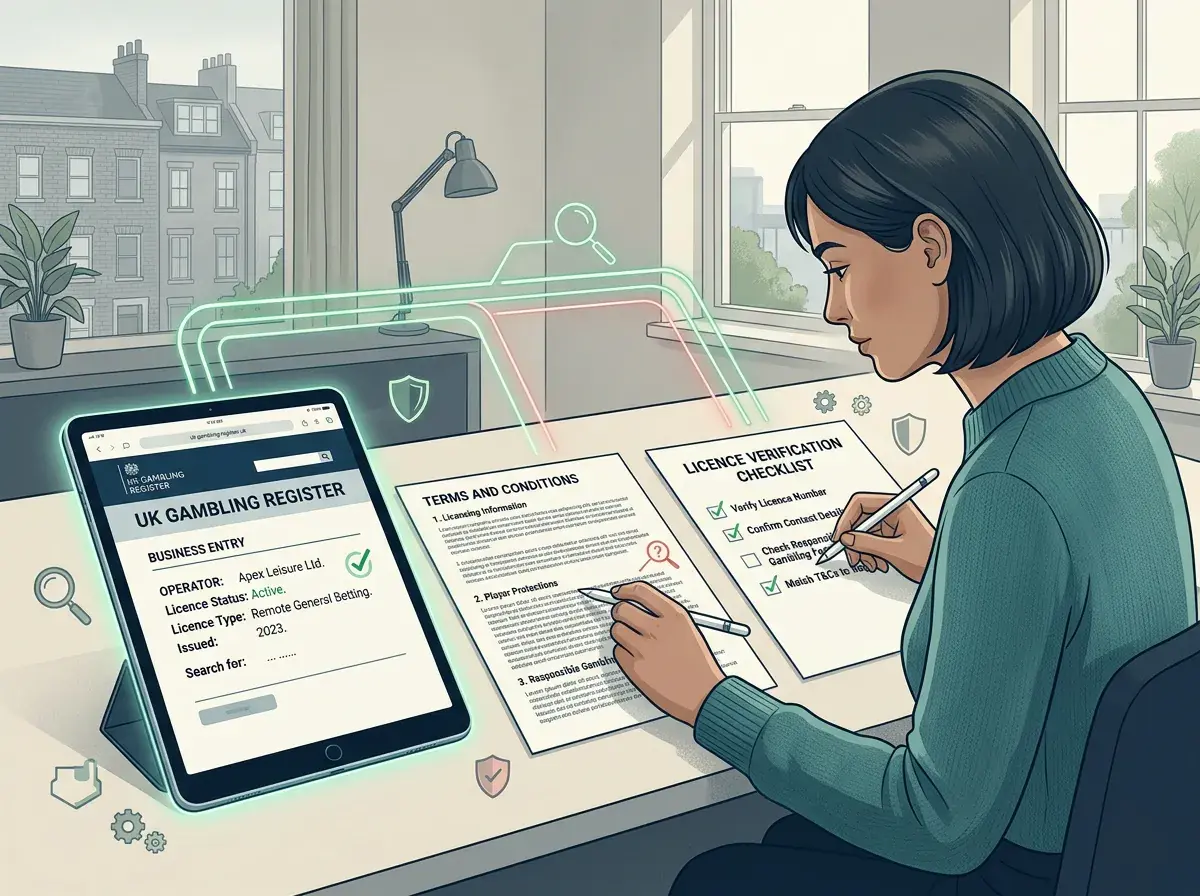
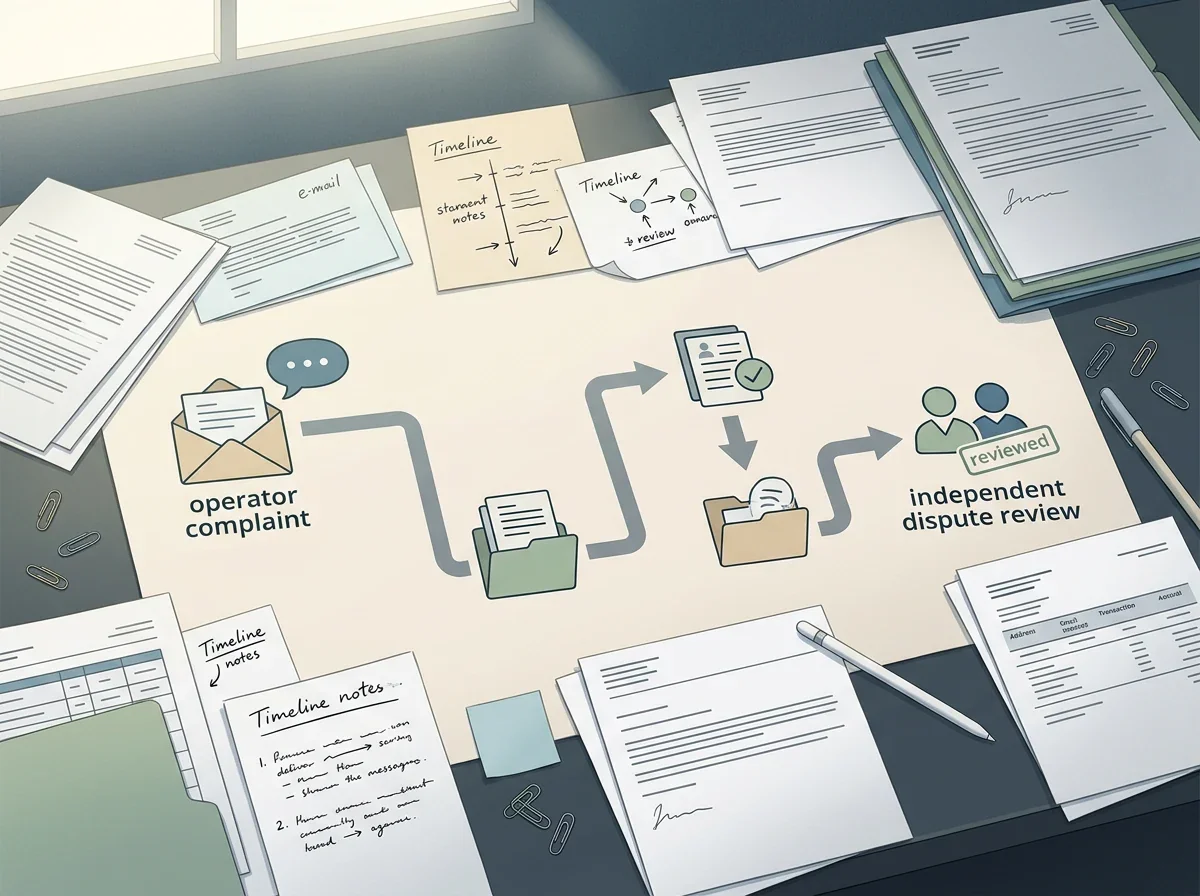
If you are trying to understand the phrase rather than handle an active urge, read what “not on GAMSTOP” means in the UK. If you are checking a site before risking money, use the guide to checking an online gambling site before you deposit. If the problem is a delayed withdrawal or account complaint, the next useful page is withdrawal delays and complaints.
We strongly encourage players struggling with control to utilize the resources listed on our safe casinos outside GAMSTOP hub rather than seeking risky loopholes.
Created by the "Casino not on Gamstop" editorial team.