UK Casino Complaints and Withdrawal Dispute Resolution
 Available in GB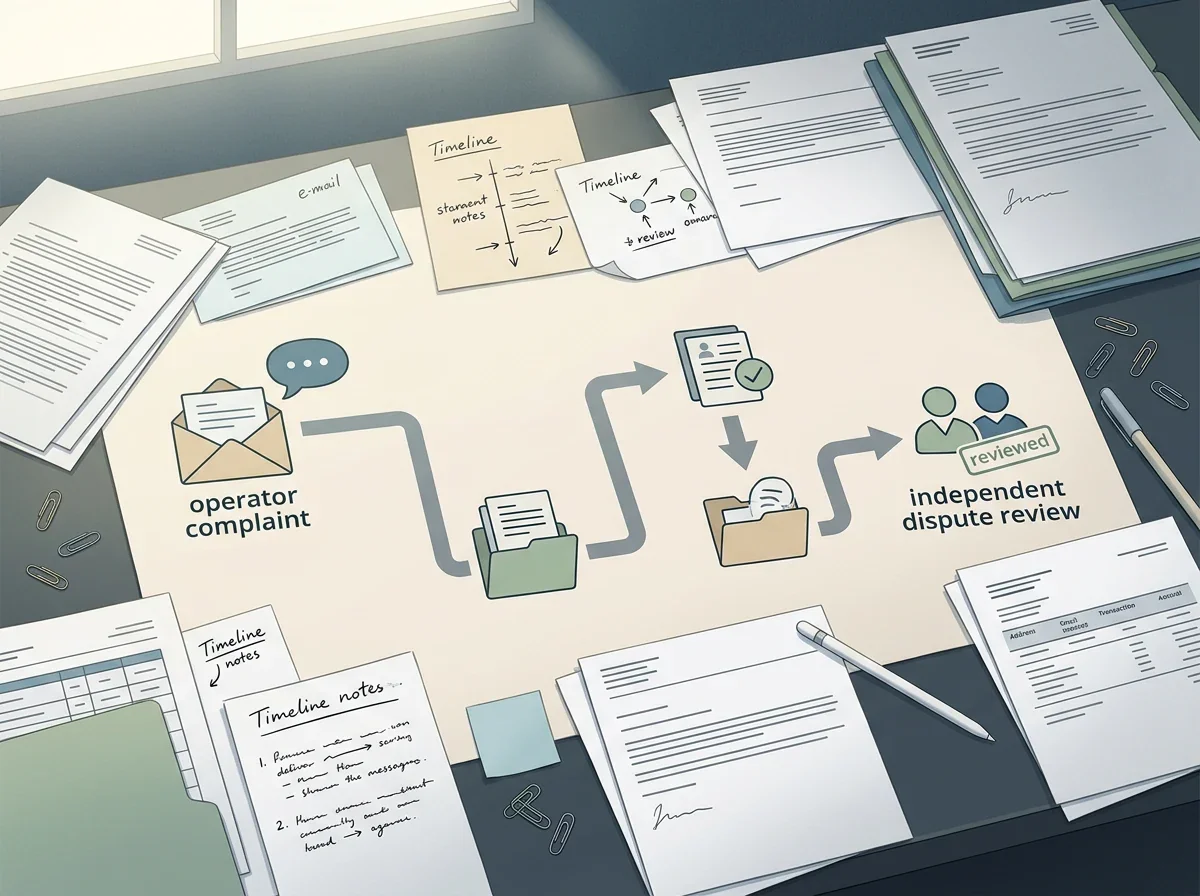
- What to do first
- Evidence to collect
- The complaint and ADR route
- When withdrawal checks feel unfair
- Limits and safer next steps
- Related guides
Clear Steps for Resolving UK Casino Withdrawal Disputes
The first few minutes after a delayed withdrawal matter. Do not keep depositing to “test” the account, and do not assume a larger balance will make the problem easier to solve. Save what you can see: the balance, the withdrawal request, the date and time, the payment method, the terms that applied, and any messages from the operator. If the operator asks for documents, save the exact wording of the request and the deadline, if one is given.
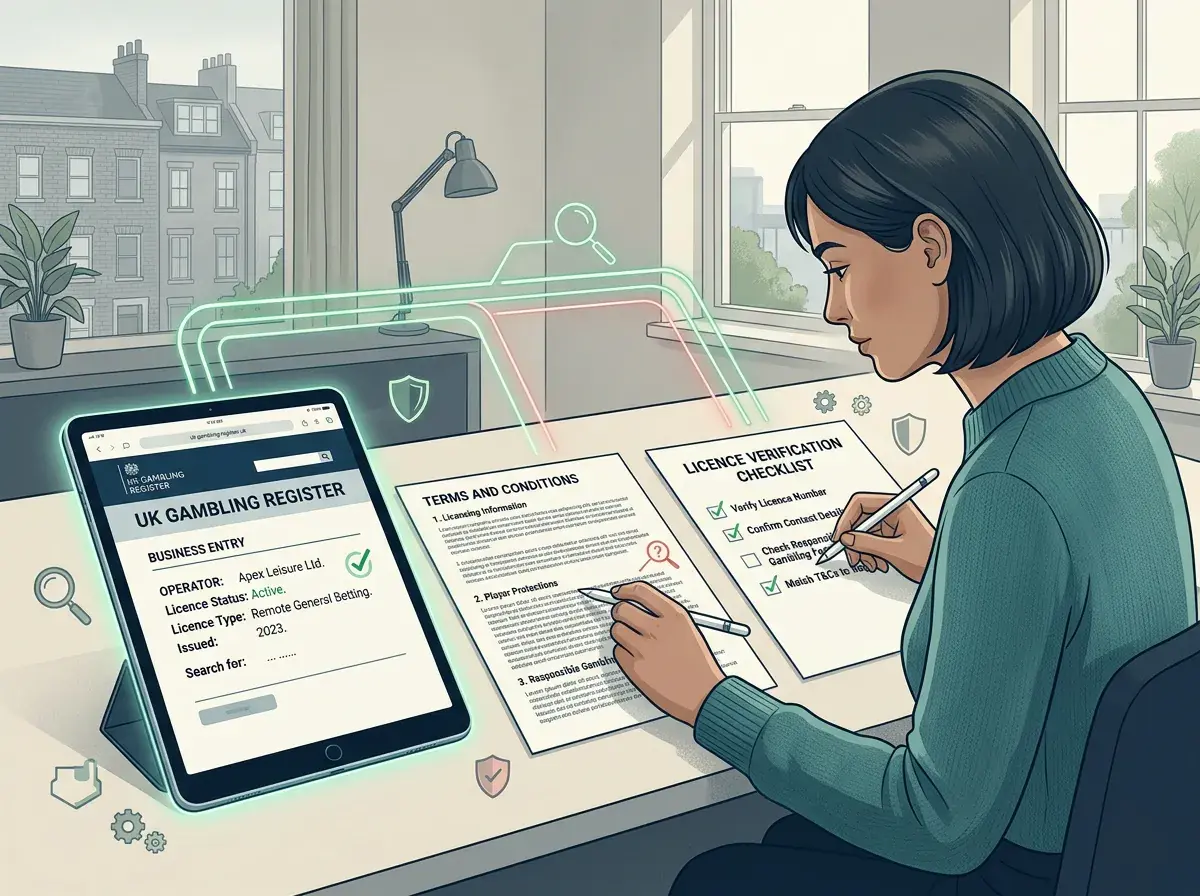
Next, identify the business. A gambling website may use a brand name, a trading name and a separate legal business name. If the business is licensed for Great Britain, the Gambling Commission public register is the official place to check licensed status, public statements and related details. The register is also useful because it helps you avoid sending a complaint to the wrong entity. If the legal name, trading name or domain details do not line up, keep a note of that mismatch.
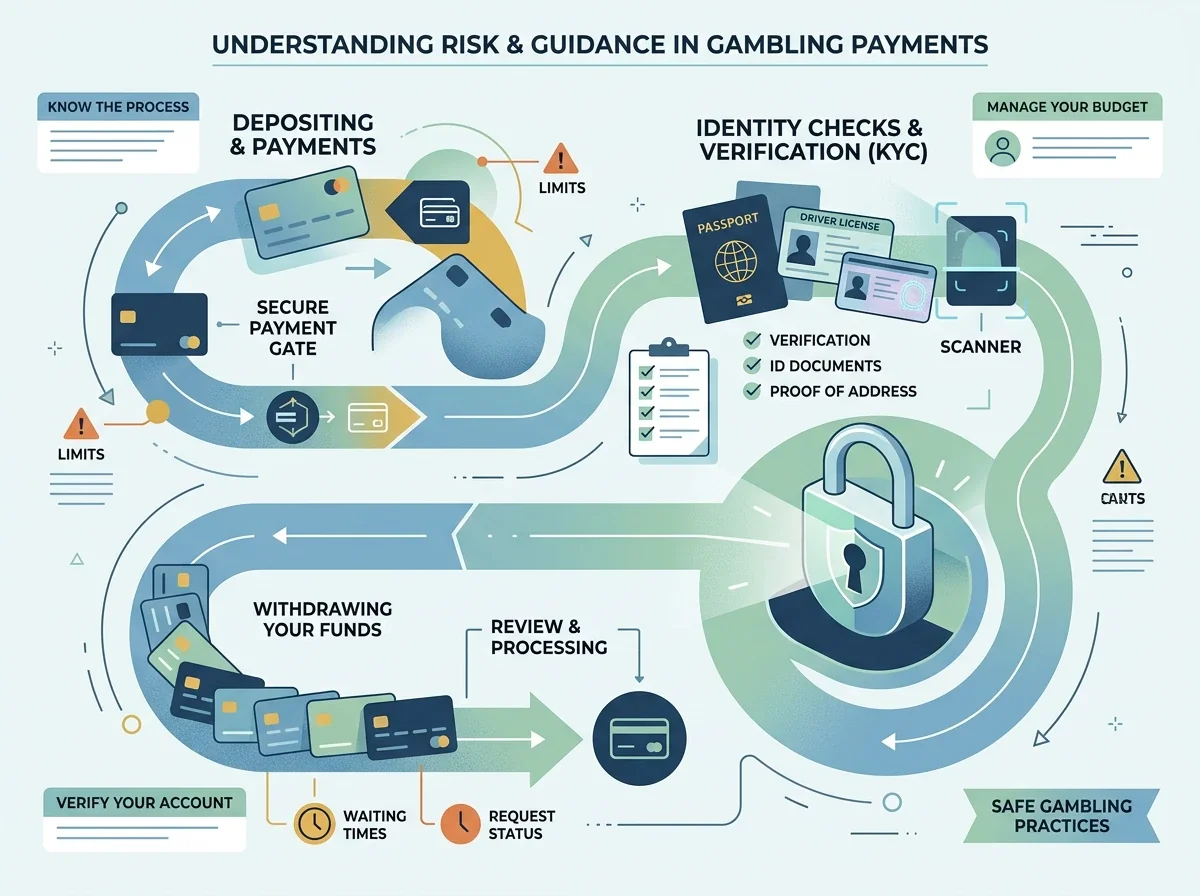
Then read the terms that are directly connected to the problem. For a withdrawal issue, the relevant terms may include identity checks, payment source checks, bonus conditions, withdrawal limits, dormant-account rules, customer funds wording and complaints information. Do not rely only on a chat message if the terms say something different. Save the version you saw, because terms can change over time and a dispute often turns on the wording that applied when you deposited or claimed a promotion.
Evidence to collect before making a complaint
Good evidence does not need to be dramatic. It needs to be clear, dated and connected to the issue. The Gambling Commission’s complaint guidance tells consumers to complain directly to the gambling business first and keep evidence. A tidy record also makes it easier to explain the problem if the complaint later goes to an alternative dispute resolution provider.
| Evidence | Why it helps | How to record it |
|---|---|---|
| Account and brand details | Shows which business, brand and account the dispute concerns | Save the account number or username, brand name and any legal-name information shown in the account or footer |
| Withdrawal request | Shows the amount, payment route and timing of the request | Take a screenshot or save the confirmation email with date and time visible |
| Deposits and balance changes | Helps explain what money went in, what was wagered and what remains in the account | Export statements or capture transaction history where available |
| Terms relied on | Shows the rule the operator or customer is referring to | Save the withdrawal, bonus, verification and customer-funds terms that appear relevant |
| Identity or payment-source requests | Shows what documents were requested and when | Keep the request wording and confirmation of any documents sent, without sharing documents publicly |
| Correspondence | Shows what was asked, what was answered and whether the explanation changed | Keep emails, chat transcripts and complaint reference numbers in date order |
| Deadlock or final response | Helps decide whether ADR is available | Save the final response, deadlock letter or evidence that the complaint remains unresolved after the official period |
The complaint and ADR route for licensed-operator disputes
For a licensed operator dispute, the ordinary route starts with the gambling business. Make the complaint in writing where possible, explain the issue plainly, include dates, attach the most relevant evidence and say what outcome you are asking for. Keep the tone factual. Long accusations, threats or repeated messages can make the record harder to follow. A clear timeline is usually more useful than a heated argument.
The Gambling Commission’s public guidance says that the business should be given up to eight weeks to resolve the complaint. If the complaint is unresolved after that period, or if the operator sends a deadlock letter, the dispute may be taken to an alternative dispute resolution provider. ADR is free and independent for eligible disputes with licensed operators. That does not mean every complaint will succeed, and it does not mean the regulator retrieves money for customers. It means there is a formal route for eligible disputes after the operator stage.
Check which ADR provider the operator names in its complaints information. Licensed operators must use approved ADR entities, and the Gambling Commission provides information on approved providers. Do not choose a random complaint company because it sounds forceful. The right route depends on the operator, the nature of the dispute and whether the complaint has reached the stage where ADR can consider it.
- Confirm the business and account. Use the brand, legal name, domain and account details so your complaint is directed to the right place.
- Send the complaint to the operator first. Include a short timeline, the disputed amount, the reason given for the delay and the evidence you hold.
- Keep the eight-week boundary in mind. Record the date the complaint was submitted and any final response or deadlock letter.
- Use ADR only when the stage is reached. If the dispute is eligible and unresolved, approach the named ADR provider with the evidence in order.
- Avoid outcome promises. A complaint route can review a dispute; it cannot guarantee a refund, a payout or a particular decision.
When withdrawal checks feel unfair
Some withdrawal disputes involve identity checks, payment-source checks or requests for further documents. Not every late request is automatically wrong. Gambling businesses may have legal and regulatory duties that require checks. However, the Gambling Commission has made an important consumer-facing point: it considers it unfair if an operator waits until withdrawal to investigate a payment source that it could have queried earlier, after accepting deposits and settling losing bets. That distinction is useful when you are writing a complaint.
Instead of saying only “this is unfair,” explain the sequence. State when the account was opened, when deposits were accepted, when gambling happened, when the withdrawal was requested, and when the operator first asked for the disputed information. If the request relates to documents, describe what was requested and whether you had already provided similar information. If the dispute relates to a bonus, point to the exact term the operator relies on and the exact term you saw when you accepted the promotion.
Customer funds are another area where expectations need to be realistic. Money held with a gambling business is not protected by the Gambling Commission or by government in the same way as money in a bank account. Operators must state the level of protection for customer funds in their terms, but that is not the same as a guarantee that every balance is protected if a business fails. For that reason, customer-funds wording is worth checking before depositing and worth saving if a dispute arises.
Limits and safer next steps
This route is strongest where the dispute involves a licensed operator and a clear complaint record. If you cannot identify the business, cannot find reliable licence details, or the site appears to sit outside the Great Britain licensing system, the formal route described above may not fit neatly. Do not fill that gap with guesses. Use the official register to check the business, save all records, and avoid sending more money or documents while the position is unclear.
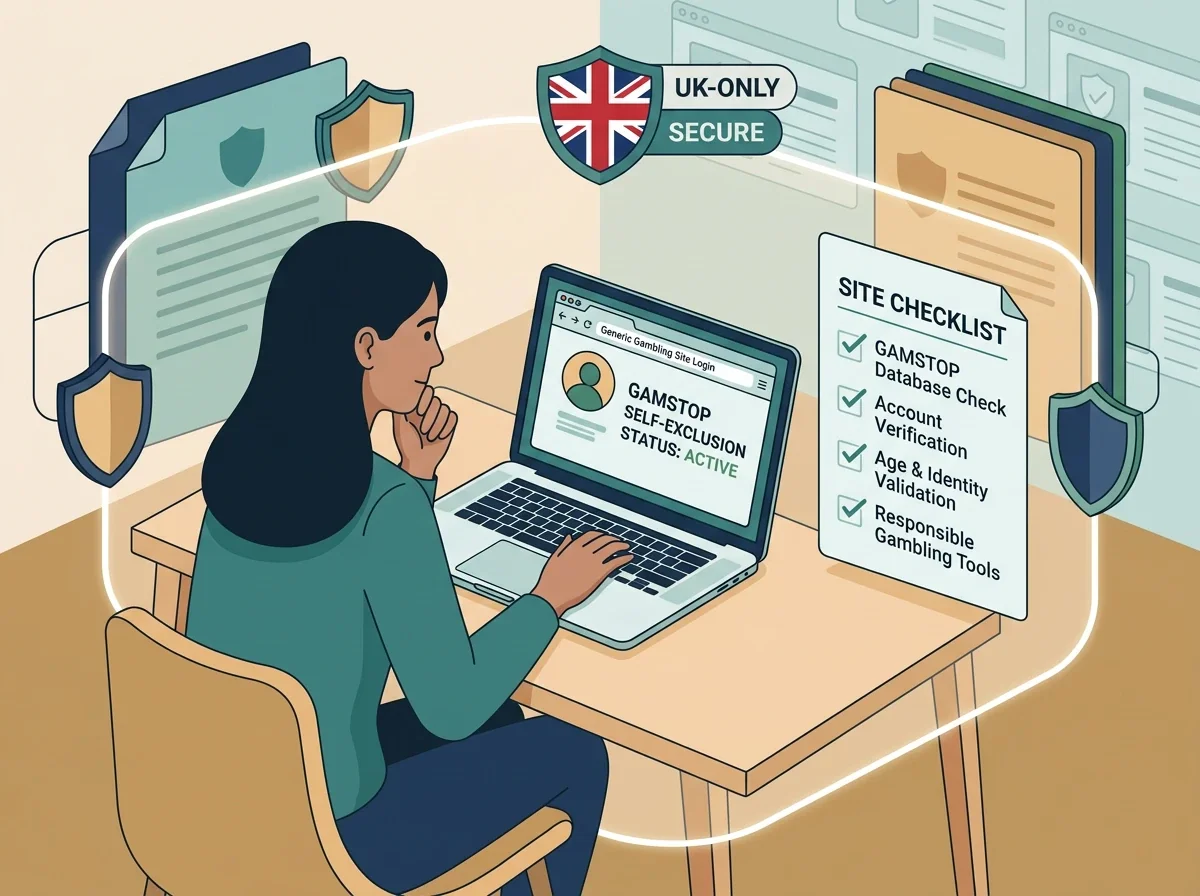
There are also personal safety limits. If the withdrawal delay is connected to loss chasing, borrowing, repeated deposits or gambling during self-exclusion, the complaint record is only one part of the situation. The safer step may be to stop gambling activity, use bank blocks, speak to a support service and get debt guidance. A complaint should not become a reason to keep gambling or to make further deposits.
If you find yourself constantly chasing losses or struggling with disputes, it might be time to explore self-exclusion, blocking tools and getting help.
Should I keep playing while a withdrawal is delayed?
No. Continuing to play can make the timeline harder to understand and may increase losses. Keep the account record as clear as possible while the issue is being handled.
Can ADR guarantee that I will be paid?
No. ADR is a free and independent route for eligible disputes with licensed operators, but it does not promise a specific outcome.
What if the operator asks for more documents?
Save the exact request, check whether the terms explain the check, and keep a record of what you provide. Do not post personal documents publicly or send them to unrelated third parties.
Your mental and financial well-being should always come first when using any reliable UK gambling safety resource.
Related guides
If the problem began before you deposited, the guide to checking an online gambling site before you deposit explains official register checks. If the dispute involves identity checks, payment rules or customer-funds wording, read payments, ID checks and withdrawals. If gambling controls or self-exclusion are part of the situation, use self-exclusion, blocking tools and getting help before taking any further gambling decision.
Created by the "Casino not on Gamstop" editorial team.